Best Mom Heart Balloon
A Designer’s First Look: Sweet, Simple, and Ready for Real Stitches
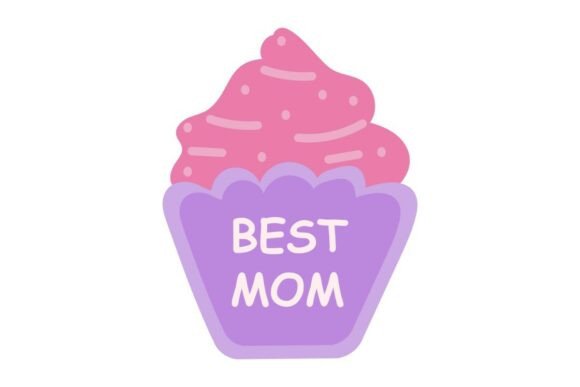
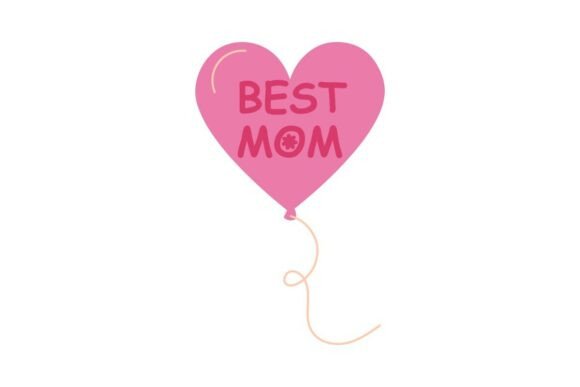
When I opened Best Mom Heart Balloon for the first time, my instinct wasn’t to zoom in on file specs—it was to imagine it stitched onto a soft cotton baby onesie. That’s how I test most graphics: not as pixels, but as thread on fabric. This design lands with quiet charm—a rounded pink heart balloon, gently floating on a slender string, with clean, confident lettering that reads “BEST MOM” right across the center. It’s not fussy. No excessive swirls, no tiny decorative flourishes that vanish under satin stitch. Just warmth, clarity, and a subtle sense of celebration. As a machine embroidery design, its strength lies in restraint: generous curves, open negative space, and letterforms built for legibility at 2–3 inches tall.
Where It Shines: From Tote Bags to Tiny Onesies
I recently used Best Mom Heart Balloon on a set of linen tea towels for a local boutique’s Mother’s Day launch—and it worked beautifully. The balloon’s shape translated cleanly into fill stitch, the string held crisp definition with a light running stitch, and the text stayed bold without overloading the fabric. It performed just as well on a midweight cotton sweatshirt (with tear-away + cut-away stabilizer) and as an embroidered patch on a denim tote. For Etsy sellers or craft fair vendors, this is low-risk, high-recognition design work: customers instantly “get it,” and it photographs well in printable mockups—especially against light neutrals or soft pastels.
It also holds up thoughtfully in more delicate contexts. On a newborn onesie? Yes—but only if you reduce the size to ~1.75" wide and confirm your hoop size allows clean tension. On a curved cap front? Possible, but avoid placing the balloon’s bottom curve directly over the crown seam; shift it slightly upward so the string anchors cleanly. And for baby embroidery or holiday embroidery projects, its gentle scale and cheerful tone make it feel personal—not mass-produced.
Where to Pause—and Why
This isn’t a one-size-fits-all embroidery file. Its simplicity becomes a liability on certain substrates. On dark fabric, especially charcoal or navy, the pink heart needs careful thread color selection: a true hot pink can mute or bleed visually unless paired with a bright white or pale blush background stitch. On textured fabrics like terry cloth or bouclé, the balloon’s smooth silhouette risks losing definition—so I recommend testing with a denser fill stitch or adding a narrow satin border.
Thin or stretchy fabric? Proceed with caution. The string element is slender—about 1.5mm wide in most digital embroidery file interpretations—and may flutter or distort without firm stabilization. I’d skip it on lightweight jersey tees unless using a high-quality cut-away and reducing stitch density manually. Likewise, avoid placing Best Mom Heart Balloon near seams, hems, or layered areas (like pocket flaps) where fabric movement could stress the delicate string or cause puckering around the heart’s edges.
Design Integrity Meets Customer Trust
What makes Best Mom Heart Balloon stand out isn’t novelty—it’s reliability. In a craft business, every finished product reflects your standards. When a customer orders a personalized gift and receives a clean, balanced, professionally stitched version of this design, they don’t just see “Best Mom”—they feel seen. That emotional resonance elevates handmade product perception. It reads as intentional, not generic. And because the layout avoids tight corners or micro-details, it rarely triggers buyer complaints about “fuzzy letters” or “missing parts”—a real win for small shop owners managing repeat orders or seasonal rushes.
For commercial embroidery or digital product sellers, its visual clarity also supports brand consistency. Whether you’re branding nursery decor, curating a Mother’s Day collection, or building a cohesive line of embroidered kitchen textiles, Best Mom Heart Balloon slots in without competing. It doesn’t shout—it invites. That subtlety builds trust faster than flashy, overly detailed graphics ever could.
Practical Notes Every Embroidery Designer Should Check
- Always test on scrap fabric first—especially if stitching on garment-dyed cotton, fleece, or blends. Watch how the string behaves under tension.
- Review stitch density before hooping. If the fill feels too heavy for your fabric weight, reduce density by 5–10% in your editing software.
- Confirm hoop size compatibility. This design scales well down to ~1.5", but pushing smaller may compromise letter legibility.
- Inspect small details: zoom in on the knot where the string meets the heart—some versions render it as a single satin stitch node; others use a tiny fill circle. Know which your file uses.
- Test black-and-white mockups alongside color. Does the contrast hold? Does the shape remain distinct without pink?
- Compare light vs. dark fabric backgrounds in your design preview. Adjust underlay or backing stitch if needed.
- Use proper stabilizer: medium-weight cut-away for stable wovens, tear-away + topping for knits or napped fabrics.
- Verify licensing before selling finished items or bundling the digital embroidery file. Since it’s categorized under Graphics and Crafts, confirm whether commercial use is included—or if attribution is required.
In short: Best Mom Heart Balloon earns its place not by being flashy, but by being thoughtful. It’s a design that understands its role—to honor, uplift, and land with sincerity. Whether you’re stitching it onto a pillow cover for a client’s baby shower or listing it as part of a curated embroidery bundle on Etsy, it carries weight without heaviness. And in the world of custom apparel, personalized gifts, and small shop products, that balance is everything.