Paw Print SVG: A Designer’s Real-World Embroidery Review
As a designer who’s stitched hundreds of pet-themed projects—from boutique baby onesies to Etsy best-selling tote bags—I opened Paw Print SVG expecting charm. What I found wasn’t just cute—it was usable. Not every paw print design earns that distinction. This one does, but only when matched thoughtfully to the right project, fabric, and audience.
First Impression: Friendly, Clean, and Purpose-Built
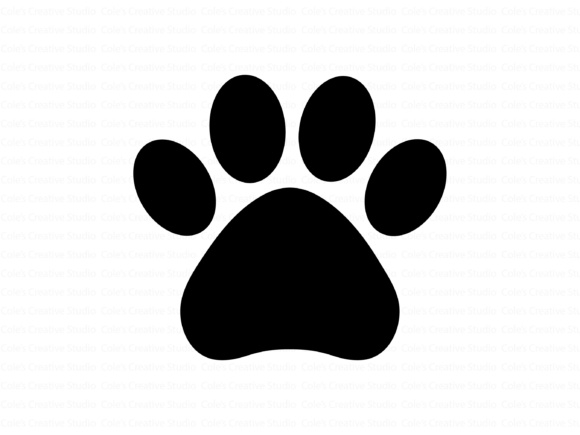
The moment you view Paw Print SVG, it reads as warm—not saccharine, not cartoonish, not overly stylized. It’s got gentle curves, balanced negative space, and a subtle asymmetry that mimics real paw pads. That matters. Too many “cute” animal graphics flatten into visual noise under thread. This one holds shape. It feels like a machine embroidery design that’s been considered—not just traced from a clipart library.
I immediately pictured it on a linen tea towel for a local pet rescue fundraiser: small enough to sit neatly in the corner, bold enough to read at arm’s length, soft enough to feel handmade rather than mass-produced. That’s the sweet spot Paw Print SVG occupies—between graphic simplicity and emotional resonance.
Where It Shines (and Where It Needs Care)
Paw Print SVG works beautifully on stable, medium-weight fabrics: cotton twill aprons, canvas tote bags, midweight sweatshirt fleece, and quilting-weight cotton for nursery pillows or baby embroidery. On those surfaces, the outline reads cleanly, fill stitches settle evenly, and the shape retains its friendly silhouette—even at 2.5 inches wide.
It’s especially effective as a standalone motif: no text needed, no extra embellishment required. That makes it ideal for personalized gifts where minimalism reads as intentionality—think monogrammed pet bandanas, embroidered patches for dog-walking vests, or subtle accents on kitchen towels sold at craft fairs.
But here’s where attention matters: Paw Print SVG isn’t built for micro-detail work. Don’t push it below 1.75 inches on stretchy knit t-shirts without testing stabilizer layers first. On thin fabrics like rayon challis or lightweight chambray, dense fill areas may pucker if stitch density isn’t adjusted. And on dark fabric? Run a quick black-and-white mockup—you’ll want high-contrast thread (ecru on navy, charcoal on cream) to preserve definition in the pad contours.
Curved surfaces—like structured caps or curved pillow covers—require repositioning the design so the arch of the paw follows the grain. A straight-on placement can distort the natural stance. And while it’s not an applique design, it *can* be adapted for raw-edge applique with careful seam allowance planning—just confirm your software allows clean offset paths before digitizing.
Real Project Test: A Custom Embroidered Tote for a Local Vet Clinic
Last month, I used Paw Print SVG as the centerpiece for a set of custom totes for a neighborhood vet clinic’s adoption day. We stitched it at 3 inches wide on natural canvas, using matte cotton thread and tear-away + cutaway stabilizer combo. The result? Crisp edges, zero skipped stitches, and a tactile warmth that customers kept commenting on—“It looks like it was drawn by hand.” That’s the gold standard for handmade product credibility.
What sealed the win: the design scaled well across three sizes (small patch, medium tote, large banner), maintained brand cohesion without color lock-in, and translated cleanly into digital mockups for the clinic’s social media previews. As an Etsy seller, I’ve reused this same asset across five listings—always with fresh context, never feeling repetitive.
Design Integrity & Commercial Practicality
For craft business owners and small shop product creators, Paw Print SVG delivers quiet professionalism. It doesn’t scream “sale”—it invites pause. That builds trust. Customers browsing personalized pet gifts respond more strongly to sincerity than sparkle, especially in niches like memorial items, rescue merch, or holistic pet wellness brands.
That said—always verify licensing before listing finished products or reselling the file itself. Since Paw Print SVG is categorized under Graphics and Crafts, assume personal and small-batch commercial use is permitted unless stated otherwise. But if you’re planning wholesale embroidery runs or bundling it into a digital embroidery bundle, double-check terms. Clarity here protects your reputation and revenue.
Designer Notes You’ll Actually Use
- Test first—stitch Paw Print SVG on scrap fabric matching your final garment’s weight and stretch.
- Check thread contrast early—especially on textured or heathered fabrics where detail can blur.
- Review stitch density in your embroidery software; reduce fill density slightly for lightweight fabrics to prevent stiffness.
- Confirm hoop size compatibility—this design fits comfortably in a 4x4 hoop, but verify clearance if adding borders or names.
- Inspect corners and curves at 200% zoom in your editing software—no stray anchor points or jagged vector joins.
- Mock it up in grayscale before committing to color—this reveals clarity issues invisible in full RGB.
- Use appropriate stabilizer: cutaway for knits, tear-away for wovens, fusible for delicate linens.
- Ask yourself: Does this support my brand voice? If your shop leans rustic, modern, or minimalist, Paw Print SVG adapts—unlike busier, busier alternatives.
Final Thought: It’s Not Just a Paw—It’s a Signal
In a sea of generic pet graphics, Paw Print SVG functions as both decoration and quiet storytelling. It signals care, consistency, and craft—not just because it’s well-drawn, but because it behaves well in the real world: under needle, on fabric, in customer hands, and across seasons of holiday embroidery, wedding gifts for pet-loving couples, or commercial embroidery for pet boutiques.
If you’re selecting design assets for long-term use—not just one-off projects—this is the kind of digital embroidery file that earns repeat rotation. It doesn’t shout. It settles in. And in handmade markets, that’s how trust begins.